Inverter AC Electricity Bill in Pakistan: How Much Will You Really Save?

Quick answer: In a typical Karachi summer, a 1.5 ton inverter AC running 10 hours a day uses roughly 165 fewer units a month than a non-inverter AC of the same size. That’s about 40% less, or around Rs 8,000 a month at current higher-slab rates. The extra price of an inverter model usually pays for itself within one or two summers.
With electricity rates in Pakistan at record levels, the AC is usually the biggest single item on a summer bill. Every customer who walks into our North Nazimabad showroom asks the same thing: “Is the inverter AC really worth the extra money?” Here is an honest answer, with the numbers worked out so you can check them against your own bill.
How an inverter AC saves electricity
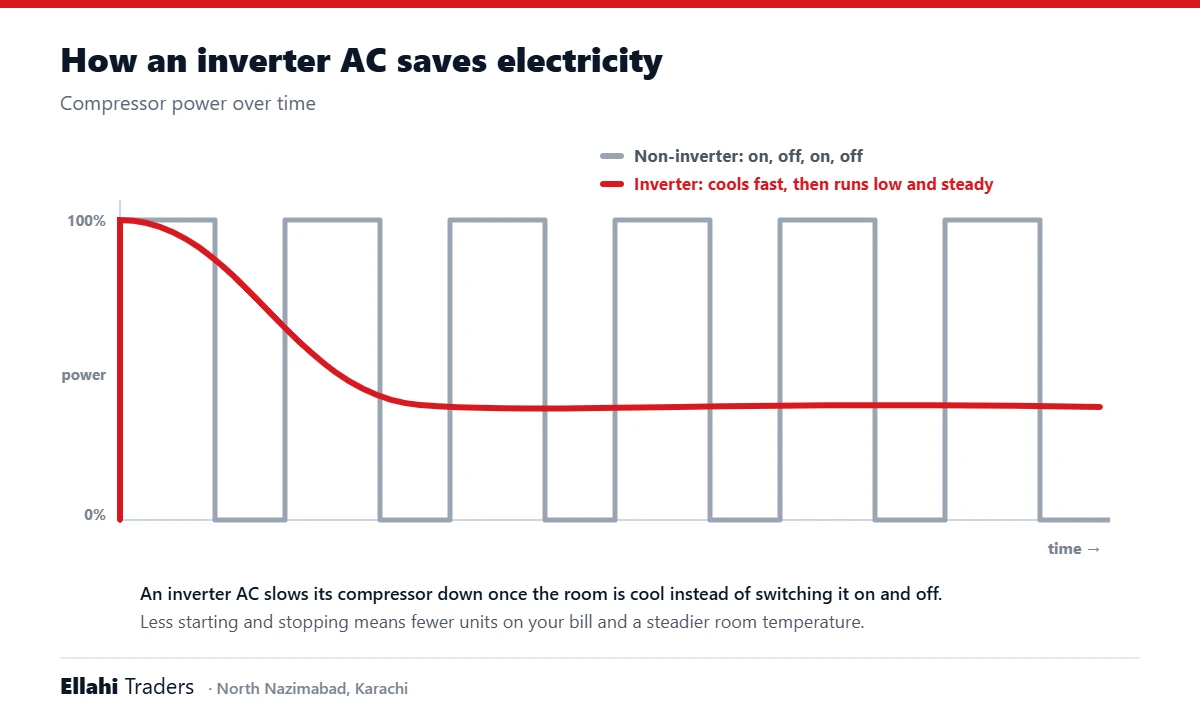
A normal (non-inverter) AC has only two modes: full power or off. When the room warms up, the compressor switches on at full power. When the room is cool, it switches off. This on-off cycle repeats all day, and each start pulls a big burst of power.
An inverter AC works more like a car’s accelerator. It runs fast to cool the room down, then slows the compressor down and keeps running at low power to hold the temperature steady. Less starting and stopping means fewer units on your meter and a more even temperature in the room.
How many units does an AC use?
One “unit” on your bill is one kilowatt-hour (kWh): 1,000 watts used for one hour. So:
Units per month = average power (kW) × hours per day × 30
In a hot Karachi summer, a 1.5 ton non-inverter AC typically averages around 1.4 kW while it is in use, because it spends most of the afternoon at full power. A 1.5 ton inverter AC uses more power for the first few minutes, then settles lower, and averages around 0.85 kW over the same hours. These are typical example figures. The exact numbers depend on the model, the room and the temperature you set. You can find each model’s rated power on its label or in its product details.
| Hours per day | Non-inverter 1.5 ton | Inverter 1.5 ton | Units saved per month | Saving at ~Rs 50/unit |
|---|---|---|---|---|
| 6 hours | ~252 units | ~153 units | ~99 | ~Rs 4,950 |
| 8 hours | ~336 units | ~204 units | ~132 | ~Rs 6,600 |
| 10 hours | ~420 units | ~255 units | ~165 | ~Rs 8,250 |
| 12 hours | ~504 units | ~306 units | ~198 | ~Rs 9,900 |
Monthly bill: inverter vs non-inverter
Here is the 10-hours-a-day example as a chart. That’s a realistic number for a bedroom AC that runs through the evening and night in June or July.

Where does “about Rs 50 per unit” come from? Under the NEPRA-notified domestic tariff (February 2026 schedule), the energy charge for a household using 401 to 500 units a month is Rs 38.95 per unit. On top of that comes the FC surcharge (Rs 3.23 per unit), 18% GST and electricity duty, which brings the real cost close to Rs 50 per unit before fuel adjustments. Your exact rate depends on your slab and any monthly adjustments, so check the “units” and “amount” lines on your own K-Electric bill. (Tariff figures: NEPRA tariff 2026 summary.)
Why slabs make the savings even bigger
Pakistan’s domestic tariff is charged in slabs: the more units you use in a month, the higher the rate per unit. In the February 2026 schedule, the energy charge rises from Rs 33.10 per unit at 201 to 300 units, to Rs 38.95 at 401 to 500 units, and Rs 47.20 above 700 units. For unprotected consumers, the whole bill is charged at the rate of the slab you land in.
The AC is often what pushes a household into a higher slab. Cutting 150 or more units a month can drop you into a cheaper slab, so the rest of your electricity becomes cheaper too. That’s why many customers see a bigger drop in their bill than the simple maths suggests.
How fast does the extra price pay back?
Inverter ACs cost more upfront. Here are two real examples from our current price list (prices as of November 2026):
| Brand | Non-inverter | Inverter | Price difference |
|---|---|---|---|
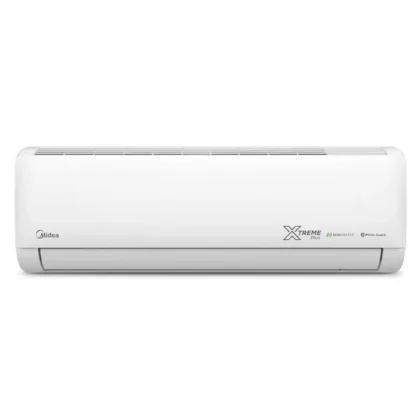
| Midea 1.5 ton | MSAFB-18CRN1: Rs 133,000 | Xtreme MSAGB-18HRFN: Rs 160,000 | Rs 27,000 |
| Haier 1.5 ton | HSU-18CF: Rs 112,000 | HSU-19LF: Rs 123,000 | Rs 11,000 |
At a saving of about Rs 6,600 to Rs 8,250 a month (8 to 10 hours a day), the Midea inverter pays back its extra Rs 27,000 in roughly four summer months. The Haier inverter pays back its extra Rs 11,000 in less than two months. After that, every summer is savings. Karachi’s AC season is long, often from April to October, so most families recover the difference in the first year.
Inverter ACs we recommend
-
-
-1%Dawlance
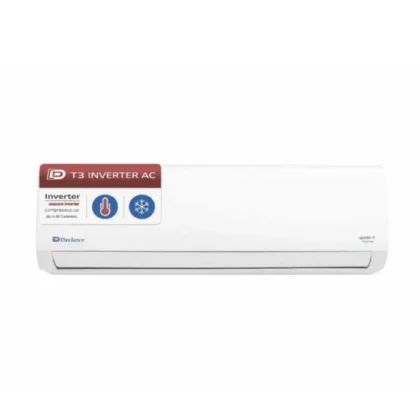
Dawlance Split AC Inverter 1.5 Ton Sprinter X 30 (T3)
Original price was: ₨ 140,000.₨ 138,000Current price is: ₨ 138,000. -
-8%Haier
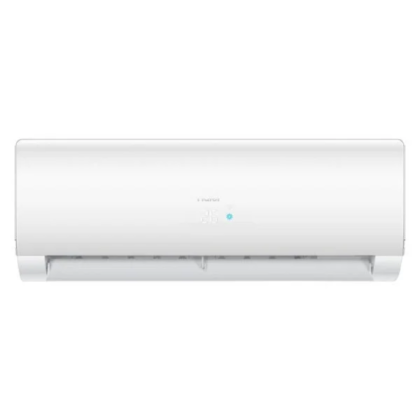
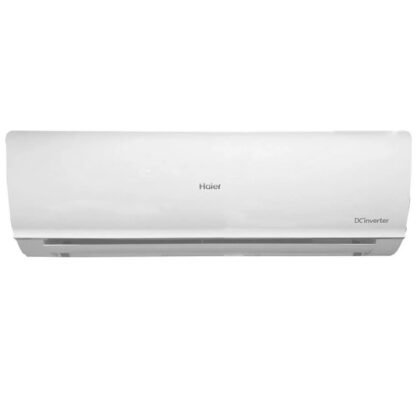
Haier 1.5 Ton T3 Inverter AC HSU-19HFAB White
Original price was: ₨ 168,000.₨ 155,000Current price is: ₨ 155,000. -
-
-

Not sure which size you need? Read 1 ton vs 1.5 ton AC: which size for your room, or see our best inverter ACs for Karachi in 2026.
8 ways to cut your AC bill even further
- Set 26°C, not 18°C. Every degree lower makes the compressor work harder. 26°C with the fan on feels comfortable for most people.
- Leave the inverter AC running steady. Switching it off and on again and again throws away the inverter advantage. Use the timer or sleep mode instead.
- Clean the filters every two weeks in summer. Dusty filters block airflow and raise power use.
- Get a service before summer. Clean coils and the correct gas pressure keep efficiency high.
- Shade the outdoor unit and keep space around it clear so hot air can escape.
- Close curtains or blinds on sun-facing windows in the afternoon.
- Seal gaps under doors and around windows so cool air stays in.
- Pick the right size. An AC that is too small runs at full power all day and saves nothing.
Questions customers ask us
Does an inverter AC really save electricity?
Yes. Because it slows down instead of switching on and off, an inverter AC typically uses around 30% to 50% fewer units than a non-inverter of the same size in real Karachi use. Brands quote higher figures measured in ideal conditions.
How many units does a 1.5 ton inverter AC use per hour?
After the room is cool, a 1.5 ton inverter AC typically uses about 0.7 to 1 unit per hour, depending on the model, room and setting. In the first few minutes, while it cools the room down, it uses more.
Is an inverter AC worth it if I only use it 3 to 4 hours a day?
The savings are smaller with light use, so payback takes longer. But most Karachi homes run the AC well over 6 hours a day from May to September, and at those hours an inverter AC pays back quickly.
What temperature should I set to save the most electricity?
Around 26°C is the sweet spot for comfort and savings. Use the fan or sleep mode at night rather than dropping the temperature.
Can I run an inverter AC on solar?
Because an inverter AC draws much less power once the room is cool, it is far easier to run on a solar system than a non-inverter AC of the same size. Ask your solar installer to size the system for the AC’s starting load.
Want to know how much you’d save? Send us a photo of your last summer electricity bill and the size of your room on WhatsApp, and we’ll suggest the right inverter AC.